
About Tweed-New Haven Airport (HVN)
Nearly a Century of Flight
Inaugurated in 1931, Tweed-New Haven Airport (HVN) has been a cornerstone of regional travel for over 94 years.
What began as a grass airfield at the dawn of aviation has evolved into a vital transportation hub, with expanded airline service and infrastructure upgrades planned for the future. Located just minutes from downtown New Haven, we connect Southern Connecticut with destinations across the country—and we’re growing with you in mind.

Aviation Takes Flight
The significant growth of the aeronautical industry was formally recognized by the City of New Haven on November 23, 1922, when Mayor David E. Fitzgerald assembled a commission to evaluate potential sites for a municipal airport. The present location was chosen for its “close proximity to the City and its expansion possibilities” and subsequently purchased for $65,000.
Airport Dedication
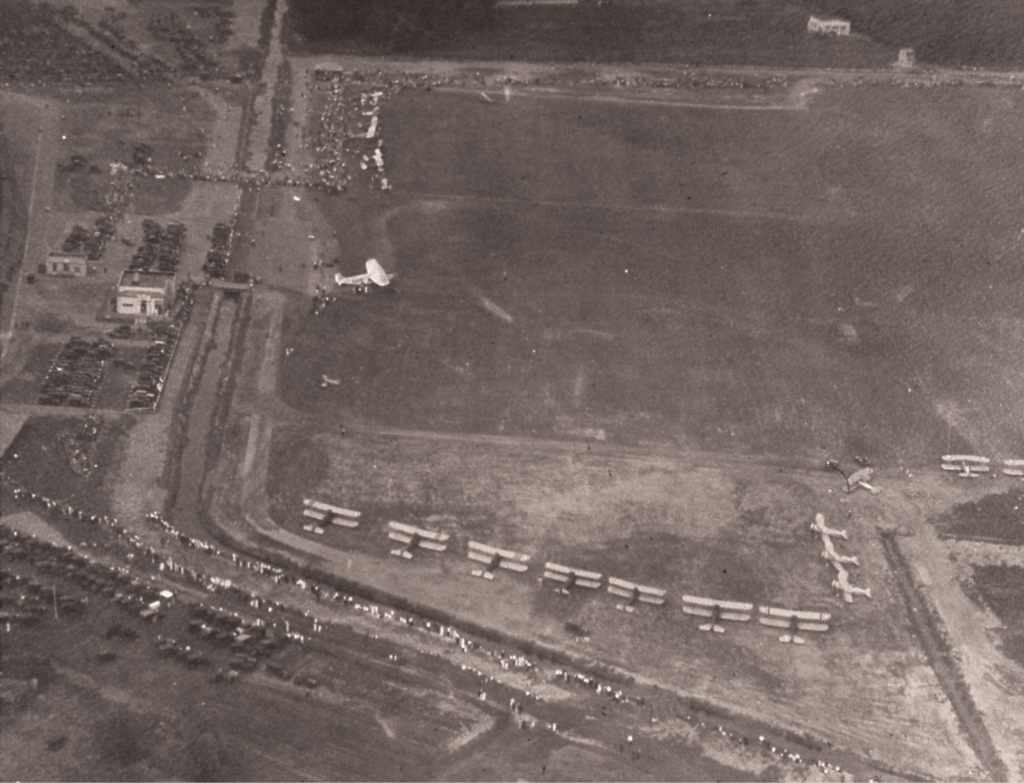
On August 29, 1931, the New Haven Journal-Courier declared: “Elm City Takes Foremost Place in Flying World.” That day, before a crowd of 12,000 spectators, the New Haven Airport was officially opened, ushering in a new era of aviation for Southern Connecticut.
First Commercial Service
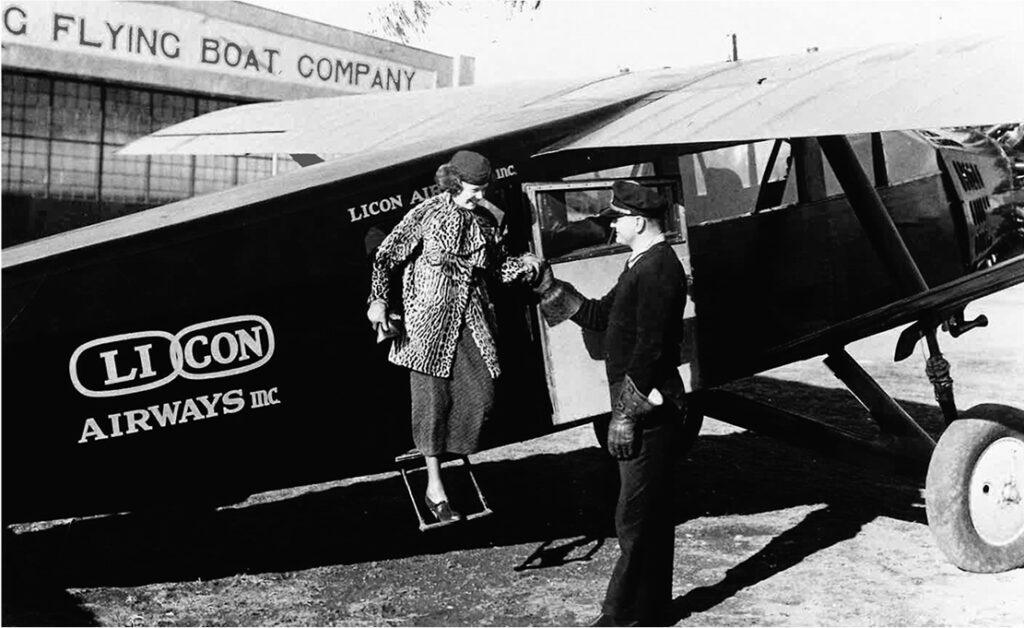
In 1933, Long Island–Connecticut Airways (LiCon) became the first scheduled airline to serve New Haven, offering flights to Islip and Roosevelt Field in Long Island, Brooklyn, Bridgeport, and Newark. A year later, in 1934, American Airlines began both passenger service and the first Air Mail and Air Express services out of New Haven.
World War II
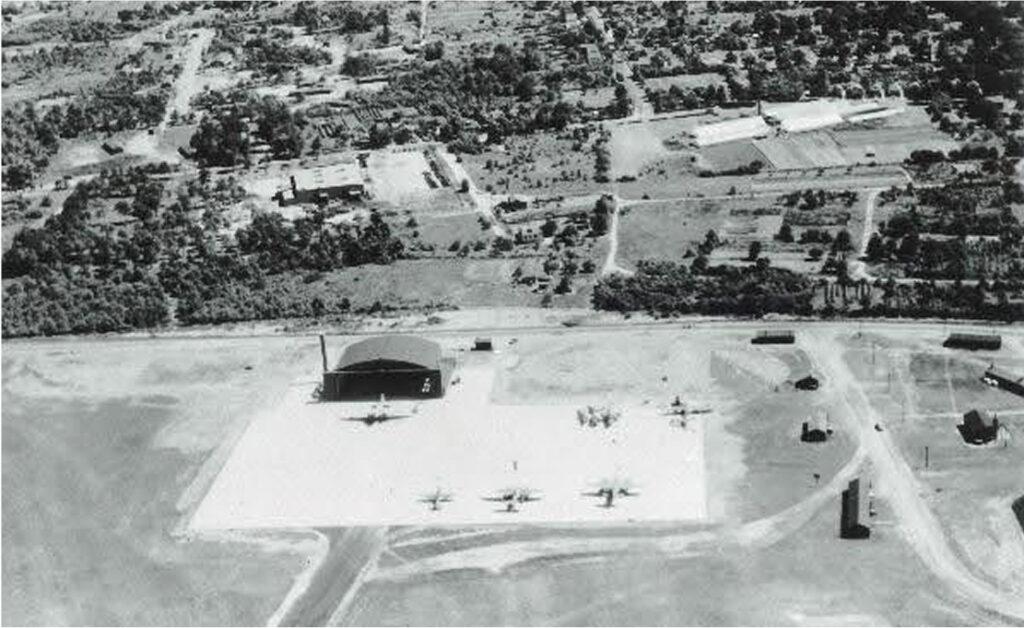
On November 8, 1942 at 11:00 AM the 429th Air Base & Headquarters Squadron under Command of Lieut. Logan Campbell, took over and occupied the airport following negotiations with the City of New Haven, converting it into an Army Air Base to support the war effort.
Return to Service
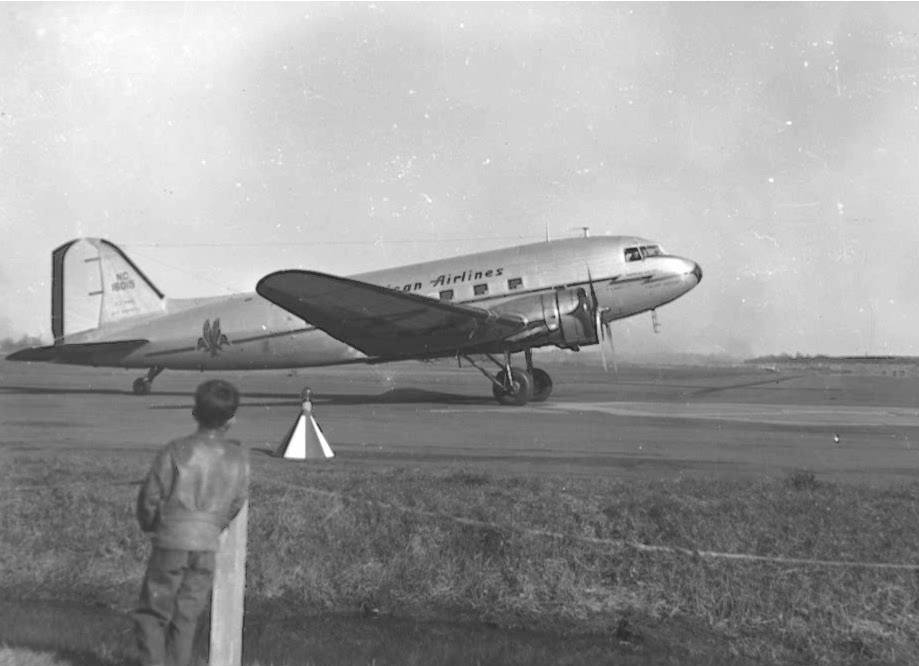
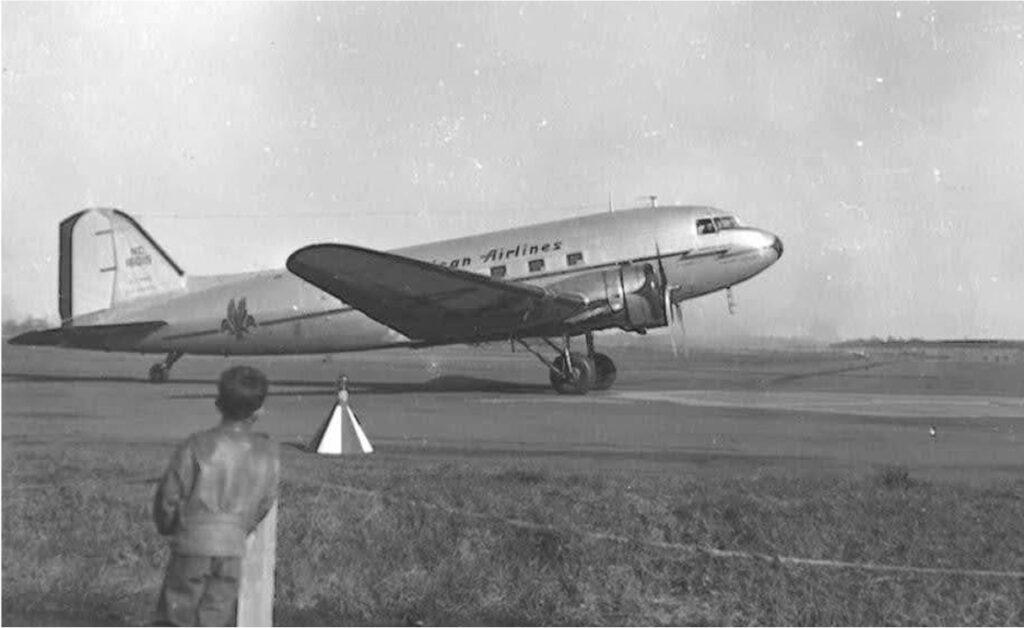
Following the war, the airport returned to civilian use, with carriers such as Eastern Air Lines and American Airlines reconnecting New Haven to national hubs. Wartime improvements—including runway paving, airfield lighting, and other critical upgrades—helped modernize the airfield and laid the foundation for the arrival of jet service in the 1960s.
Tweed Gets Its Name
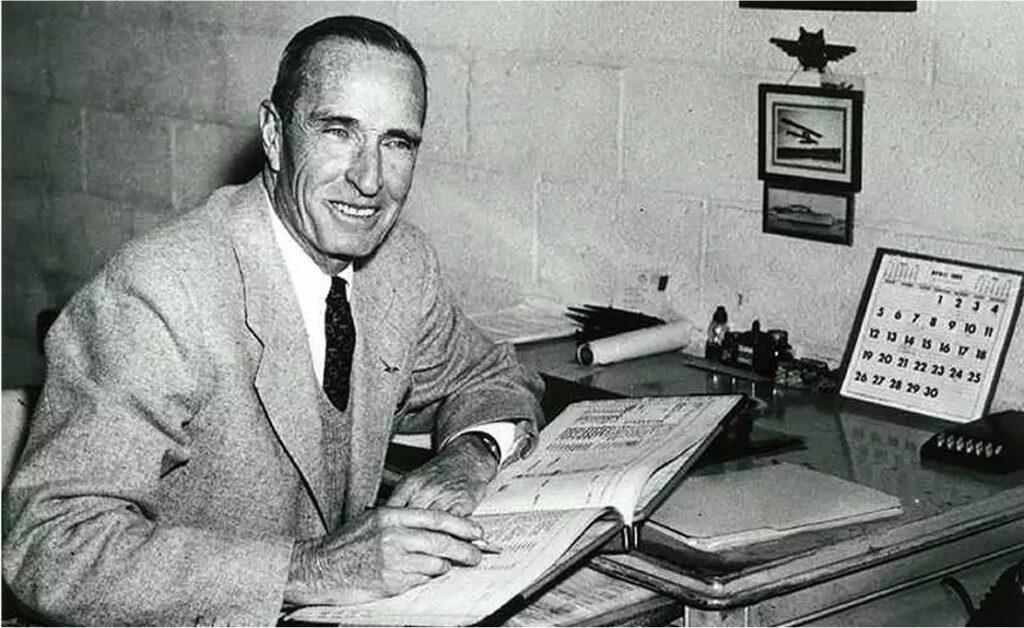
On June 25, 1961, New Haven’s Municipal Airport was renamed in honor of its first and longtime airport manager John Hancock “Jack” Tweed, one of the ‘earliest birds’ in the nation whose pioneering career reflects the history of aviation.
Tweed Enters the Jet Age
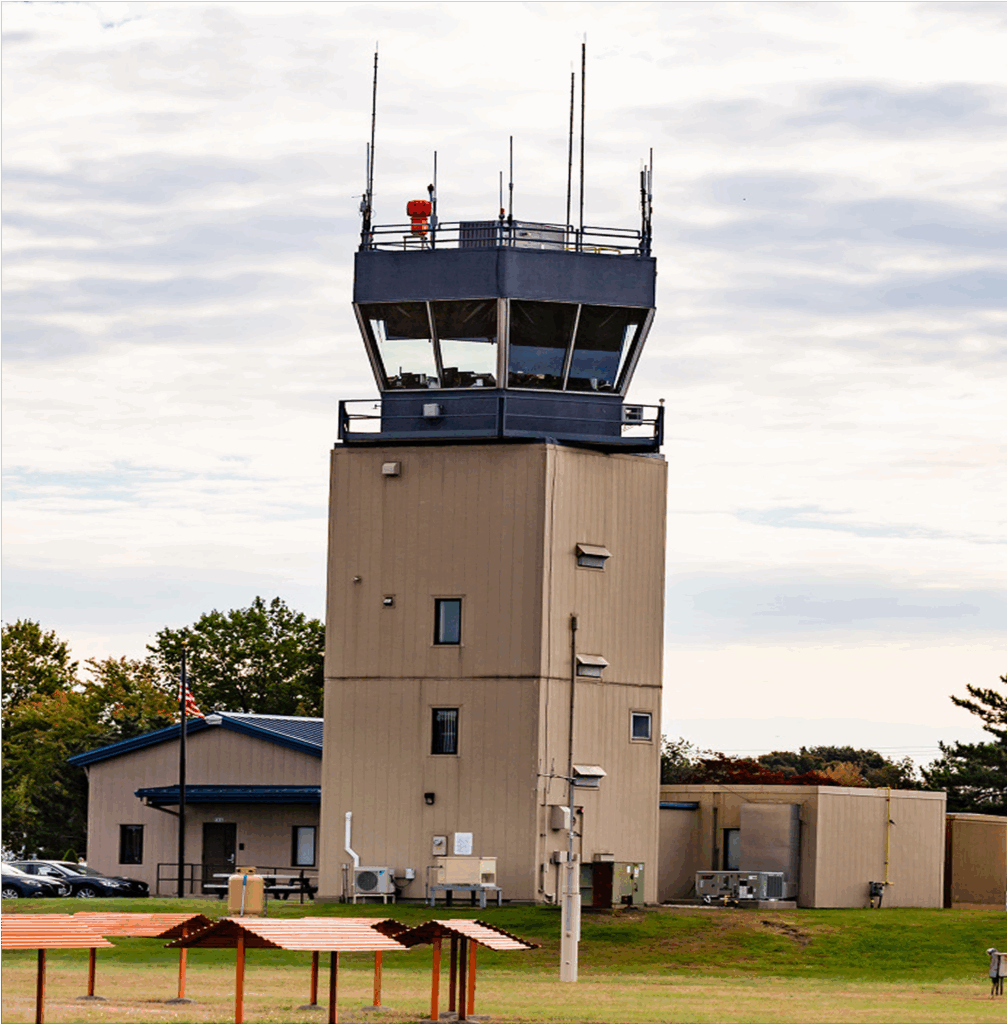
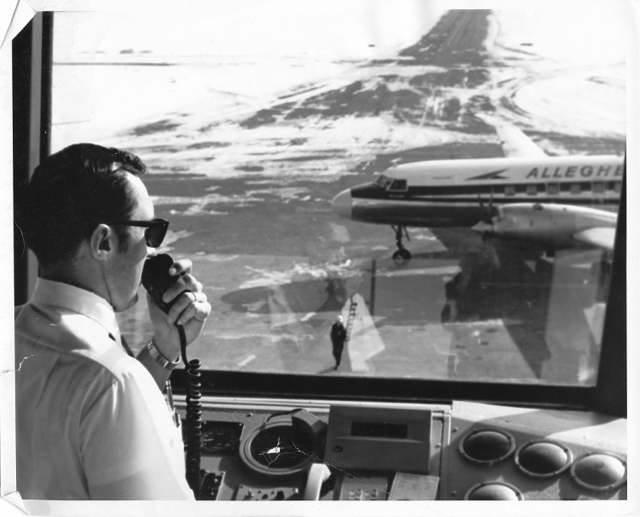
Tweed opened the door to modern jet service—and a new era of commercial aviation in New Haven—with the construction of a new air traffic control tower, extended runways, and upgraded airfield lighting. In 1967, Pilgrim Airlines, a pioneer in commuter air service, launched its inaugural flights to New York’s Kennedy International Airport.
Commuter Service Expands
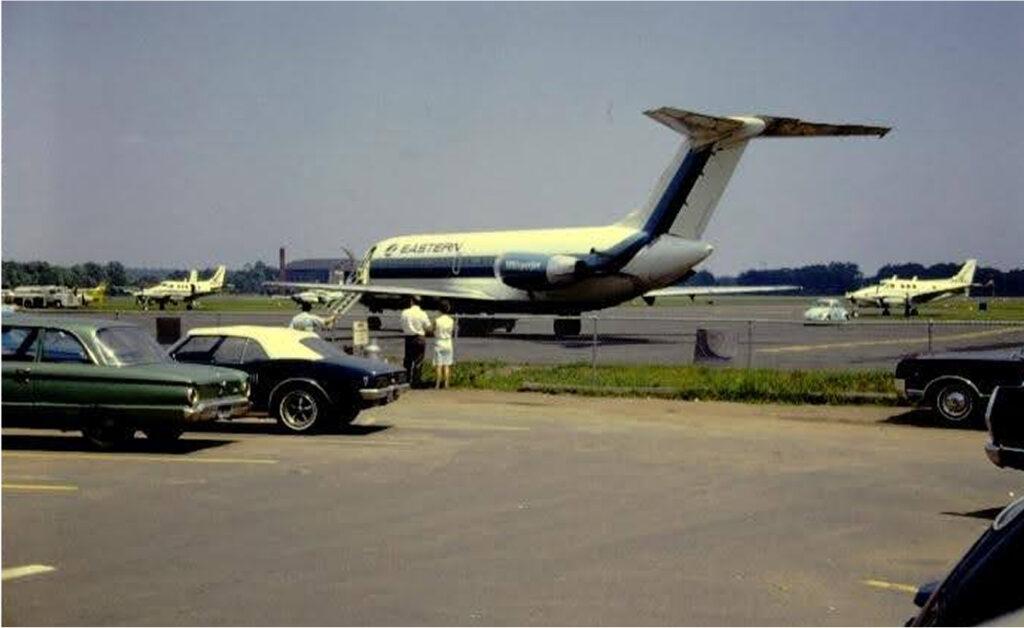
The 1970s saw a mix of legacy and commuter airlines at Tweed. Eastern Air Lines briefly returned with jet service, while Allegheny Airlines and Pilgrim Airlines maintained key regional routes across the Northeast. These carriers sustained Tweed’s role as a vital connector during the rise of commuter air travel.
Newair
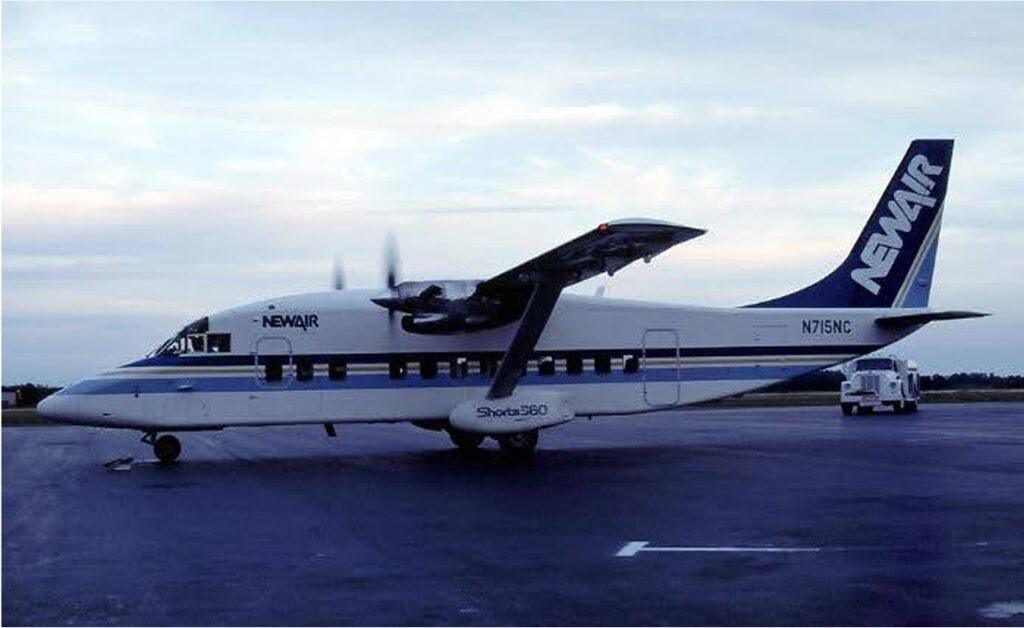
In 1978, hometown carrier New Haven Airways launched, rebranding as NewAir in 1980 and served New York, Philadelphia, and Washington until 1985.
Regional Connectivity
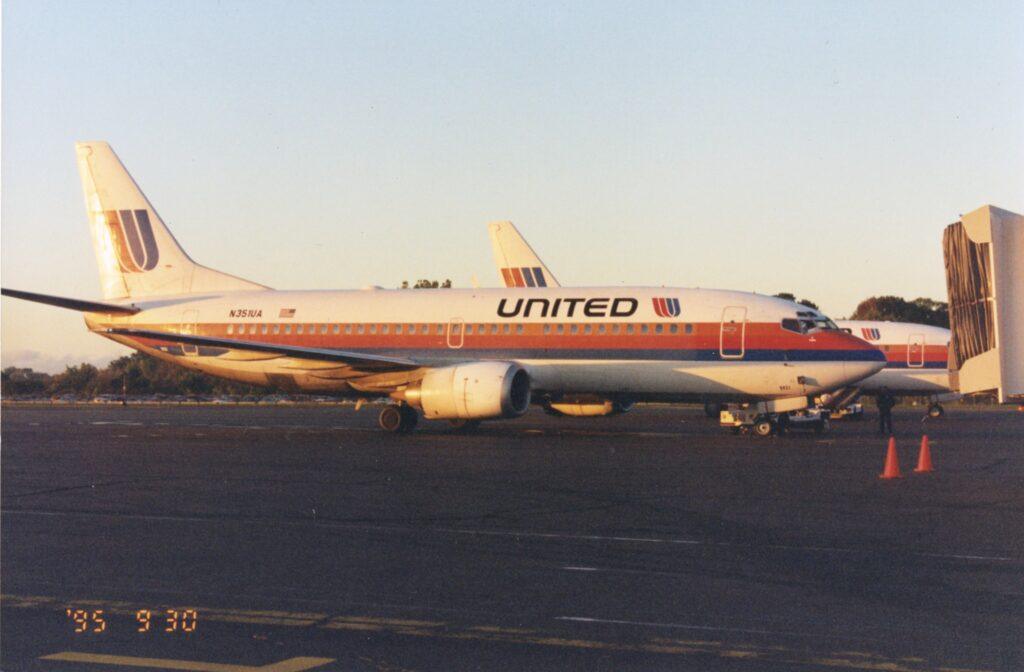
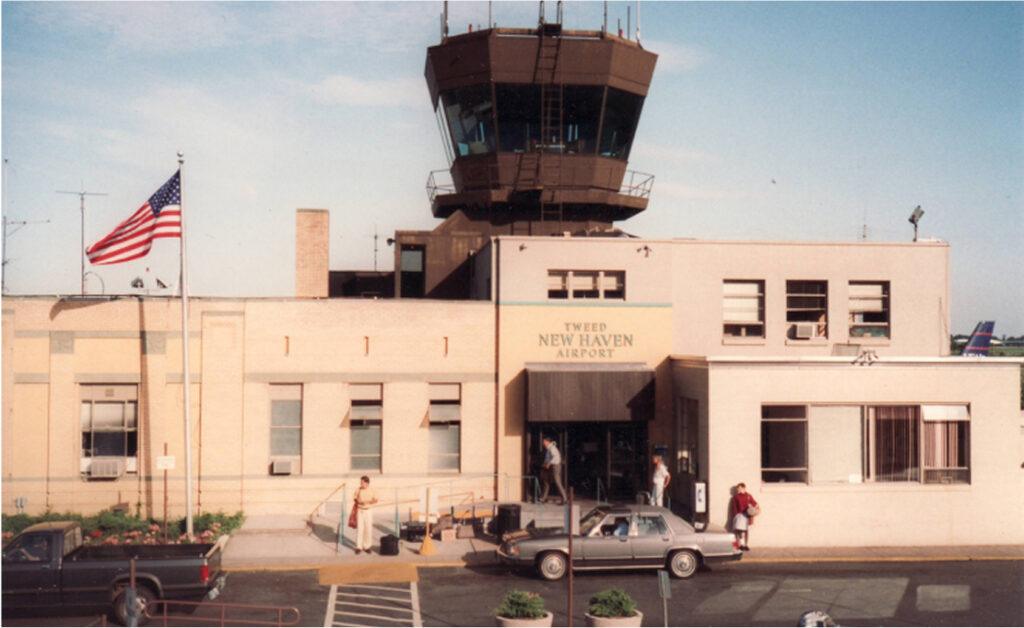
Throughout the 1990s, Tweed was served by United Airlines, Continental Express, and USAirways Express, among others, collectively carrying more than a quarter million passengers to major hub airports. At the same time, the airport underwent a key infrastructure transition: converting a former aircraft hangar into today’s departures terminal—supporting renewed connectivity and growing demand.
Avports Partnership
In 1998, operations and management of Tweed transitioned to Avports, creating a long-standing public–private partnership that set the stage for future modernization and continues to this day.
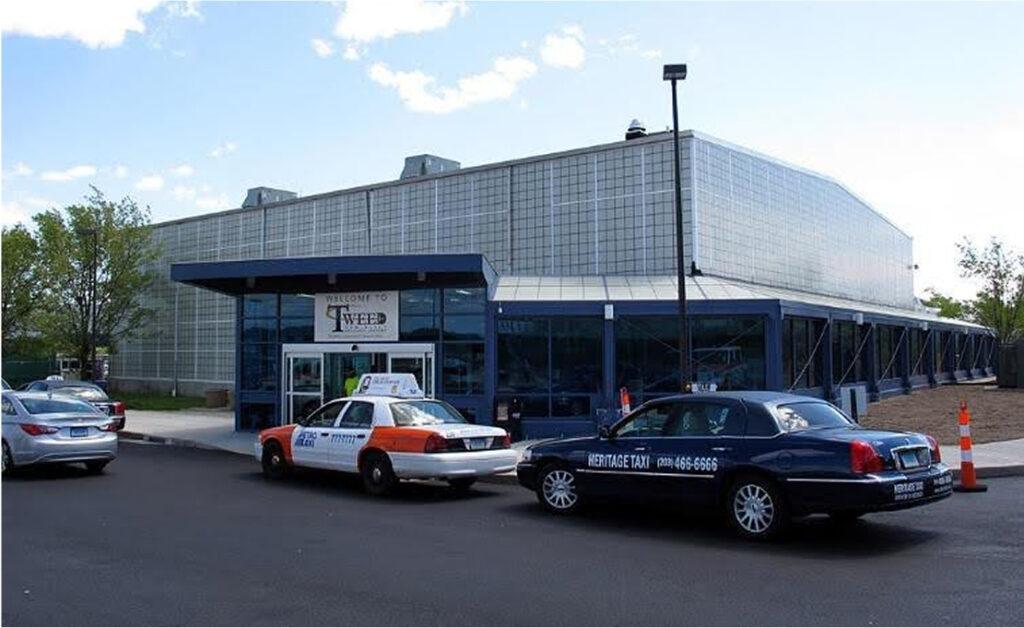
A New Millenia
Throughout the 2000s and 2010s, Tweed maintained limited but steady commercial service, most notably with US Airways Express (later American Eagle) flights to Philadelphia, alongside Comair, a Delta Connection carrier. This period provided a vital link to national hubs as planning for expansion accelerated, community engagement grew, and the groundwork was laid for a stronger future.
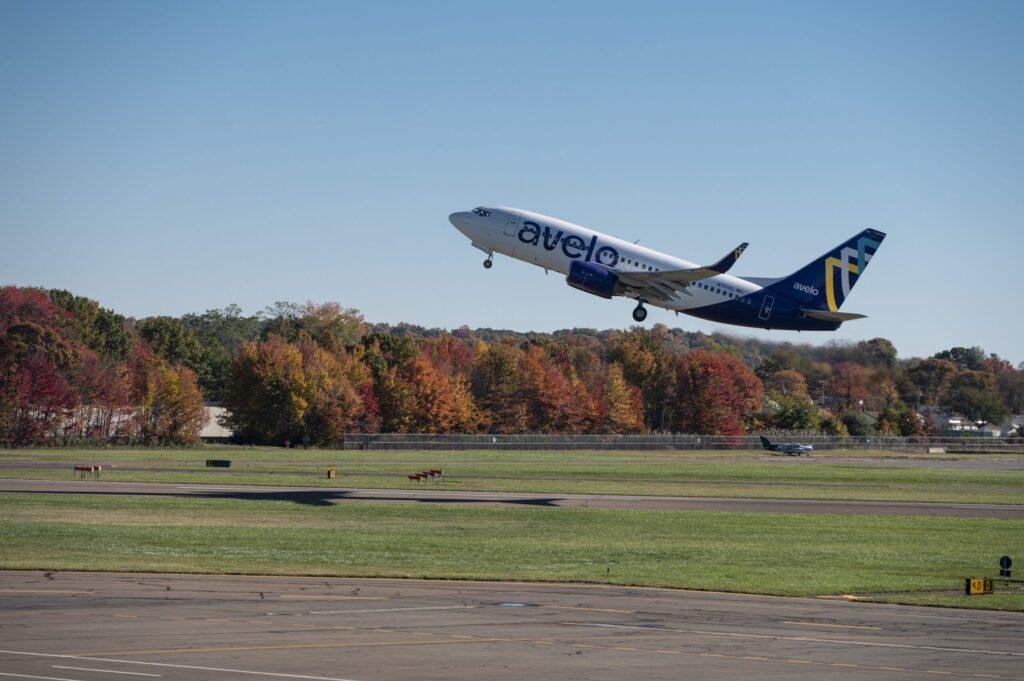
Avelo Takes Flight
On November 3, 2021, Avelo Airlines launched its inaugural flight from Tweed, restoring scheduled commercial service after the COVID-19 pandemic. With nonstop connections across the East Coast, Avelo ushered in a record-breaking new era of growth for HVN.
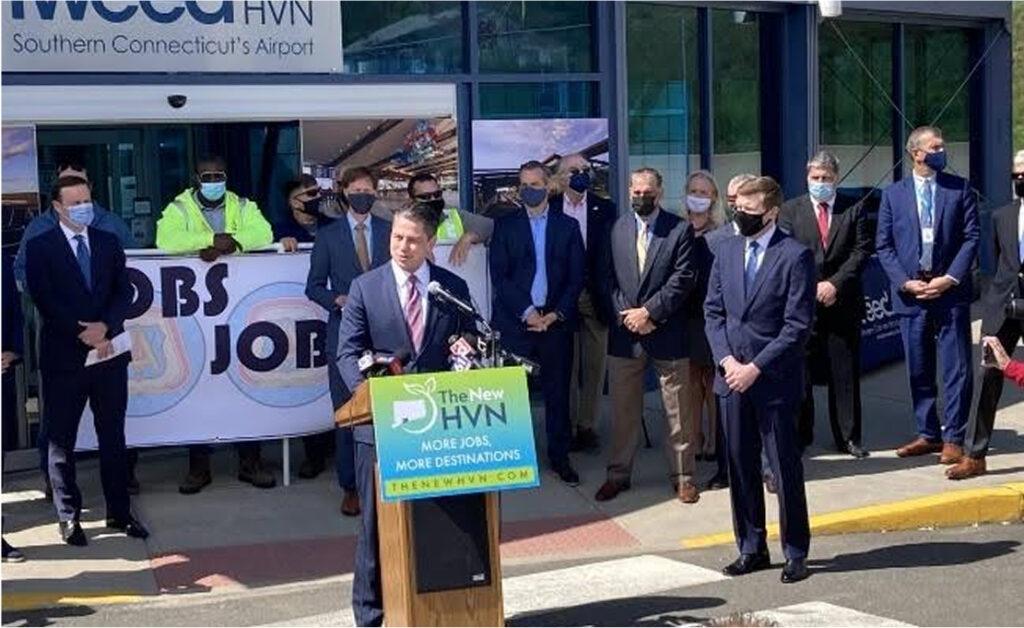
A Historic Lease
In 2022, the Tweed-New Haven Airport Authority signed a landmark 43-year lease with HVN’s longtime operator, Avports, paving the way for investment in a modern terminal, an extended runway, and long-term infrastructure improvements to serve Southern Connecticut.
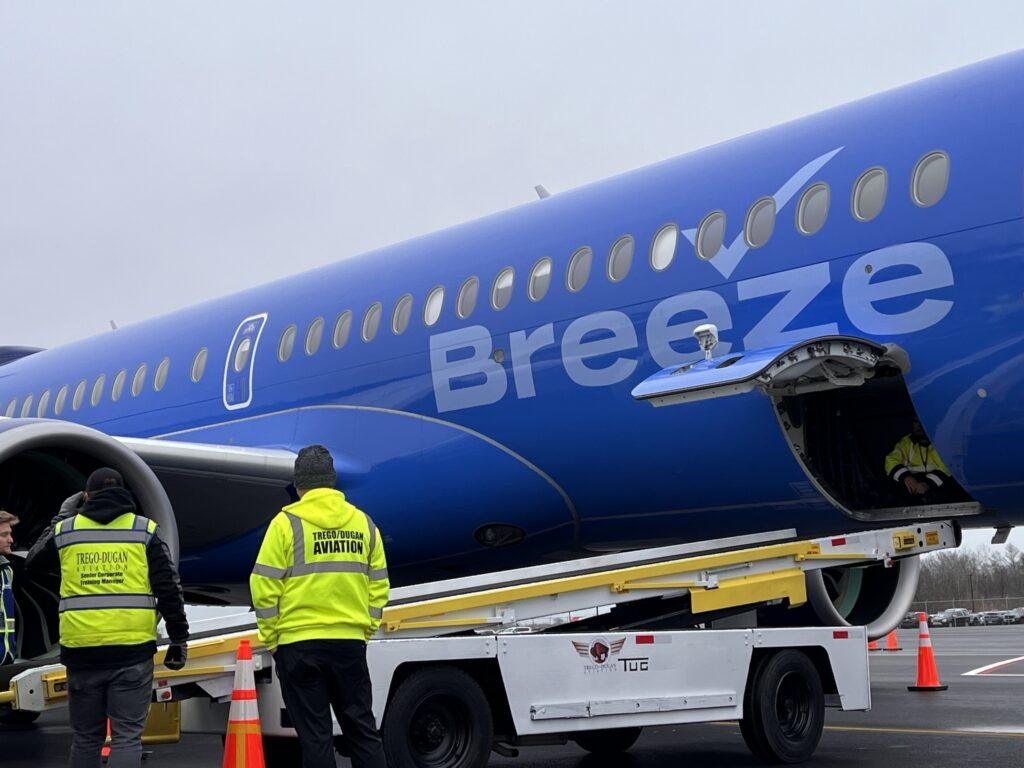
Breeze Airways Enters the Market
In December 2024, Breeze Airways launched service from Tweed — the first time in nearly 20 years that HVN hosted more than one airline. The milestone reinforced the strong post-pandemic demand for air travel in Southern Connecticut and the need for 21st century infrastructure.
Today
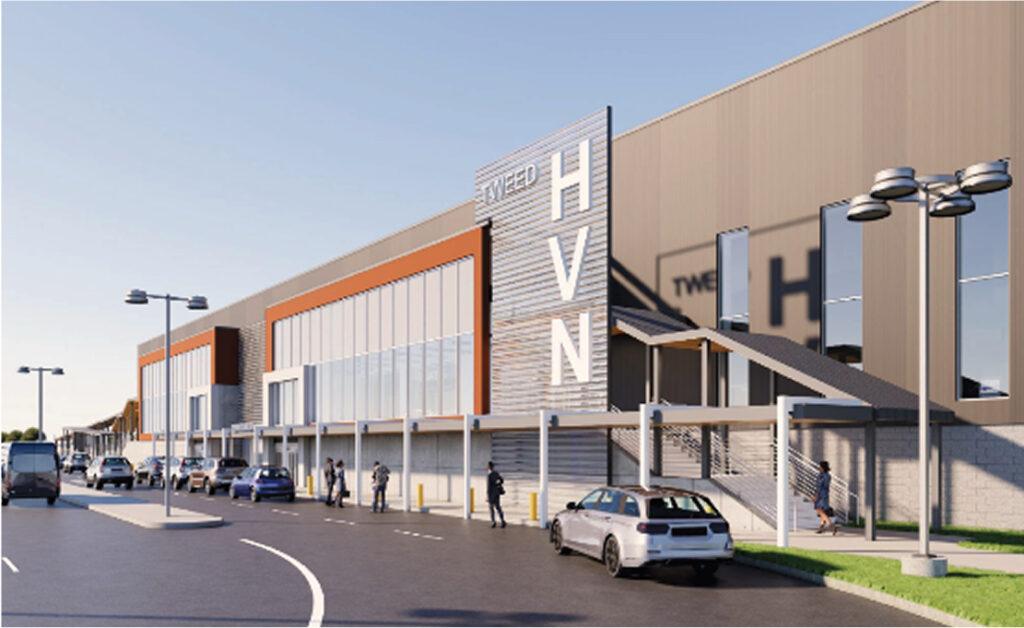
Tweed is now one of America’s fastest-growing airports, serving more than a million passengers annually. With plans underway for a new state-of-the-art terminal and extended runway, HVN is writing the next chapter of a legacy nearly a century in the making.